
Glide Through the Door: Calm Starts, Gentle Returns
Today we explore Entryway to Exit: Mini Routines for Stress-Free Departures and Arrivals, turning the busiest doorway moments into reliable, repeatable grace. Expect tiny, teachable actions anyone can master, thoughtful design tweaks, and gentle prompts that lower anxiety without adding chores. Together we will craft transitions that respect your time, protect your attention, and welcome you home with steady kindness, whether you live solo, share with family, or wrangle pets, backpacks, umbrellas, and unpredictable weather.
Design the Threshold for Effortless Motion
Small spatial choices shape easier mornings and softer evenings. By mapping a clean path from outside handle to inside landing spot, you trade frantic searching for dependable flow. Hooks at reachable height, a bench with storage, textured mats, and clear sightlines reduce micro-decisions. Add a personal touch that feels like a promise: a framed note, a soft rug, a favorite plant. When the threshold welcomes you on sight, your body learns to release tension before your shoes even come off.
Create a Drop Zone That Trains Itself
Consistency beats memory every time. A tray for keys, a small bowl for headphones, a mail vertical for quick triage, and a breathable bin for masks or sunglasses make correct placement the path of least resistance. Label discreetly, practice for a week, and celebrate streaks. Over time, the space teaches everyone what goes where, and searching vanishes. Invite accountability with gentle humor, not scolding, and ask guests to join the ritual with a smile and a pointed, helpful glance.
Light, Scent, and Sound Cues
Ambient signals nudge behavior kindly. Warm, indirect lighting guides late returns without jolting tired eyes. A subtle citrus or pine note suggests freshness near outerwear, while a calm chime on motion creates a welcoming heartbeat. Time these cues to sunrise or planned arrivals, avoid harsh fluorescents, and let evening light dim gradually. When environments whisper supportive instructions, your body listens, exhaling sooner, moving slower, and remembering what needs handling without frantic internal monologues or impatient hallway negotiations.
Micro-Layout for Shoes and Outerwear
Right-sized containment ends pile avalanches. Use a low rack for daily shoes, a hidden bin for seasonal extras, and a narrow umbrella stand that drains cleanly. Place a stable bench where laces and zippers meet steady posture. Rotate coats forward by current weather, banish orphans to a distant closet, and keep a lint roller, spare gloves, and a folding tote within one arm’s reach. This choreography removes snags before they happen and makes leaving feel politely prearranged every single time.
The 20-Second Keys–Wallet–Phone Scan
Stand still, touch each item, and say it silently. Keys clicking? Wallet present? Phone charged? Add medications, badge, or transit card if relevant. Keep backups in a labeled pouch near the door so surprises shrink into solvable hiccups. Pair the scan with locking eyes on the checklist. Muscle memory grows quickly when actions feel rewarding, so celebrate clean departures with a tiny fist pump or a grin that tells your nervous system, we actually did it right this time.
Weather Blink and Wardrobe Switch
Open a one-tap weather widget or glance at a paper icon card. Adjust layers, grab a hat, or swap footwear without reopening drawers. Store a compact rain kit and small sunscreen in a zipper pouch by the bench. Place dry socks in a discreet envelope for emergencies. This tiny ritual prevents soggy commutes, overheating regrets, and mid-ride complaints. When dressed for reality, you conserve willpower for real challenges instead of wrestling with drizzle, wind gusts, or unplanned puddles.
Door Pause Breathing Pattern
Before turning the knob, inhale for four, hold for two, exhale for six. Repeat twice. This short exhale bias signals safety, steadies heart rate, and clarifies priorities. While breathing, mentally tag one intention: listen generously, arrive early, or finish that call. Align posture, relax shoulders, and release your jaw. Suddenly the hallway feels friendlier, stairs shorter, and transit bumps less personal. Routine breath at the boundary reframes the leaving moment from battle start to skillful, prepared momentum.
Departure Micro-Rituals You Can Finish in Under Two Minutes
Fast routines protect focus. Think of compact, repeatable moves that stack seamlessly: a visible checklist at eye level, a breathable bag prepped the night before, a weather glance that guides layers, and a last-pass sweep. End with a brief breath pattern to anchor calm. Because these motions demand almost no debate, they work on sleepy weekdays, errand sprints, and high-stakes mornings alike. Practice at low pressure first, measure friction honestly, and brag about smooth exits to reinforce collective momentum.
Threshold Breath and Name the Moment

Pause on the mat, inhale gently, and cue your brain with a calm identity: now I am home. Name one sensation without judgment, like cool air or tired calves. This small act marks a psychological handoff between roles. Add a light smile, not performative, just informative. If you live with others, agree on a simple code word for quiet minutes after entry. By honoring transitions, you protect kindness and reclaim presence, even after days that felt endlessly fragmented or loud.
Sanitize, Hydrate, Reset
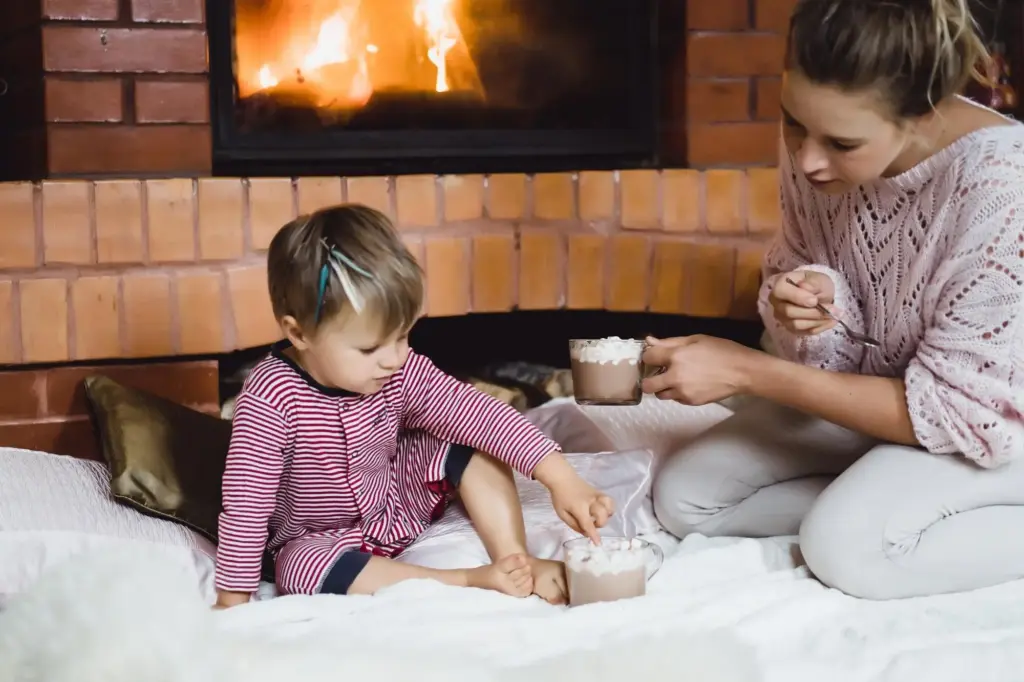
Head straight to the sink without detours. Wash hands with intentional pacing, noticing warmth and lather. Drink a glass of water while standing tall, then place backpack or purse in its home. If something urgent arrived with you, drop it into a single capture spot for later triage. This rhythm disarms grime, fatigue, and scattered thinking quickly. Hydration plus order equals relief, letting the evening begin on purpose instead of bleary scavenger hunts through jackets, pockets, and kitchen counters.
Two-Minute Tidy Loop

Set a soft timer and reset the visible surface nearest the door: clear the bench, rerack shoes, straighten the mail vertical. Keep movements slow but continuous, avoiding perfection. This brief loop quietly prevents clutter snowballs and establishes a predictable landing pad for tomorrow. Invite family participation with a playful soundtrack and tiny roles, like hook captain or shoe scout. Finish with lights adjusted for evening mode. The space thanks you by silently supporting better mornings before you even sleep.
Family, Roommates, and Pets: Sync the Choreography
Shared entrances work best with legible signals and gentle agreements. Build visual playlists for kids, color-code hooks by person, and keep pet gear clipped and prefilled. Use one message board for notes that expire nightly, so nothing lingers as background stress. Agree on a noise ceiling by hour and a handoff plan when someone arrives frazzled. Practice during calm hours, praise generously, and rotate micro-roles weekly. Collective rhythm emerges not from lectures, but from repeatable wins everyone can feel.



Time Buffers and Contingency Planning
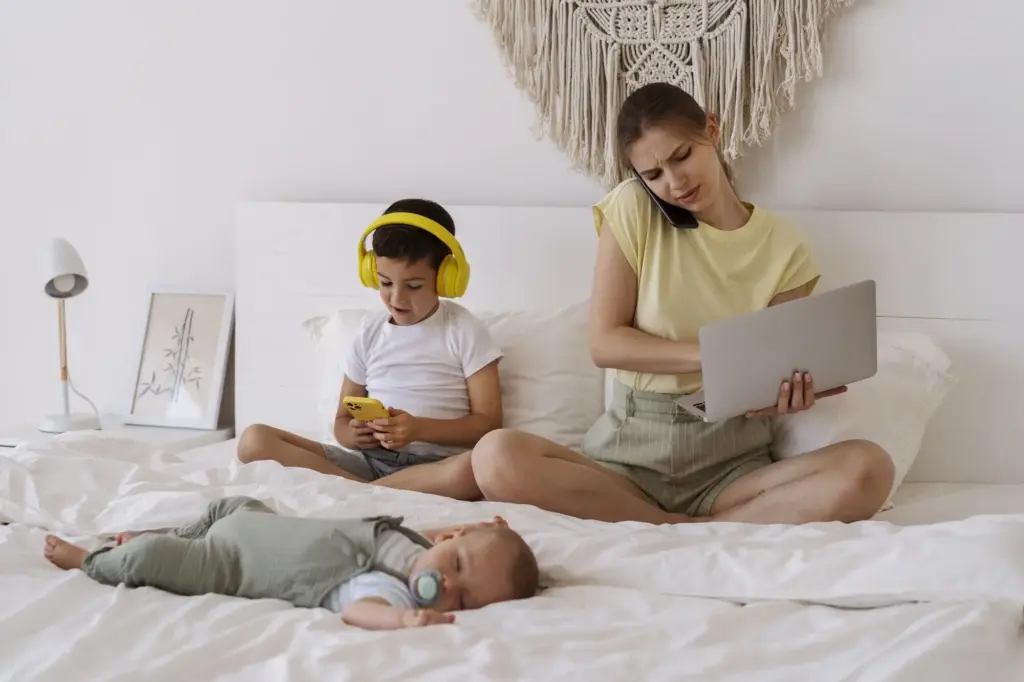
Margins create dignity. Build a standard grace period into every departure and arrival, then defend it like a favorite mug. Pack the night before, charge devices in one station, and pre-stage a tiny kit with charger, meds, and transit card. Subscribe to transit alerts, screenshot addresses, and place a spare umbrella by the frame. If delays strike, notify hosts early with a generous tone. These small preparations turn surprises into solvable puzzles instead of character tests you never wanted to take.

Lightweight Automations and Reminders
Automation should feel like a nudge, not a scold. Use voice assistants to start gentle timers, set geofenced reminders to grab returns when approaching home, and stick discreet NFC tags near the door to trigger packing lists. Keep backups analog: a paper card with essentials and a tiny pencil on a string. Review automations monthly, pruning anything noisy or unhelpful. When tools play backup singer, not lead vocalist, they support your humanity and keep departures and arrivals reliably, kindly on track.
Voice and Timer Anchors
Say the routine out loud once, then let a soft chime mark each micro-transition. Start a three-minute window for shoes and scan, another for water and weather, then a final pause for breath. Reset easily if interrupted. The point isn’t perfection; it is rhythm that survives real life. Timers lend structure without blame, and their neutrality keeps households from turning reminders into arguments. When the bell rings, everyone moves together, and departures start sounding like teamwork gently humming in the background.
Geofencing That Nudges, Not Nags
Location-based prompts can save afternoons when used sparingly. Trigger a reminder to bring returns when approaching the store, or to start decompressing breath when turning onto your street. Keep windows wide to avoid repeated pings, and archive stale automations quickly. Pair with a weekly review moment so prompts match current projects. The magic lives in restraint. One well-placed nudge erases five frantic loops around the block, helping your future self feel seen, supported, and cheerfully a little more prepared.
Analog Backups for Digital Lives
Batteries die, screens crack, and software updates arrive uninvited. Keep a simple essentials card, a spare transit card, and small bills in a flat envelope by the door. Add a mini flashlight and a paper list of emergency contacts. Test the kit yearly and mark the review date on your calendar. Analog backups grant quiet confidence when networks falter. They also teach kids self-reliance by demonstration. When technology blinks, your routine keeps humming, offering calm continuity precisely when it is needed most.